
Blooming
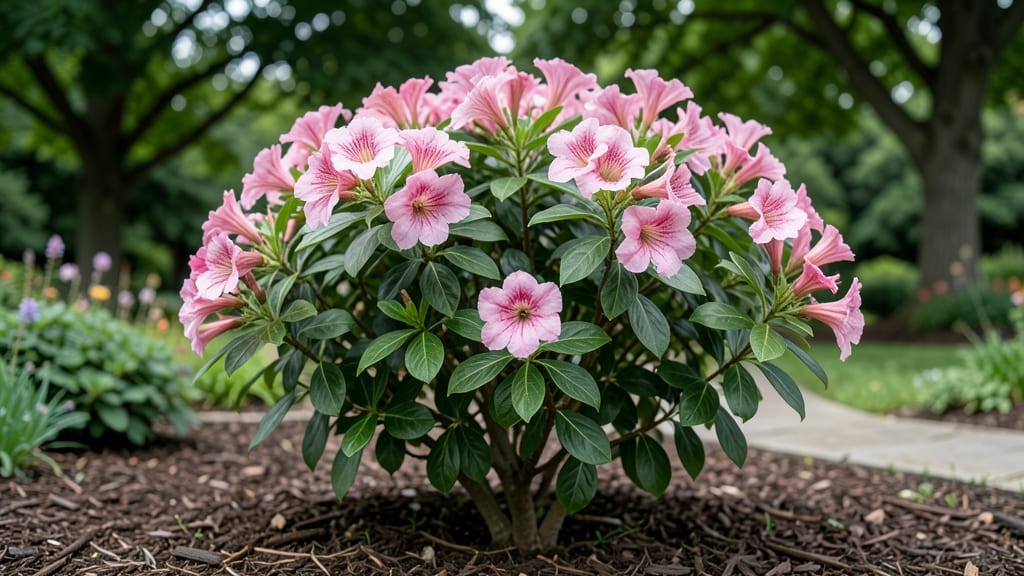
When does Weigela flower? The answer is typically late spring to early summer 🌸, turning your garden into a riot of color—but the exact timing depends on where you live and how you care for it.
Picture this: you’ve been waiting all winter for those trumpet-shaped flowers to appear, only to wonder why your neighbor’s Weigela is already bursting with blooms while yours is still dormant. The answer lies in your USDA zone, sunlight exposure, and even last year’s pruning choices.
In Zone 6a, where many gardeners call home, Weigela usually starts flowering in May, with peak blooms stretching into June.
But push north to Zone 4, and you might see flowers as early as April, while in warmer Zones 8-9, the show begins in March and can last well into summer.
Here’s the good news: with the right location, pruning timing, and a little extra care, you can coax your Weigela to bloom earlier—or even extend its flowering season. I’ll walk you through the exact steps to make sure your shrub puts on its best show year after year.
Weigela flowering timeline by USDA hardiness Zones
Your Weigela shrub's blooming schedule varies dramatically by USDA zone, with early spring being the prime time for most varieties. In Zone 4, expect flowers to appear 2-3 weeks later than in Zone 9, thanks to warmer winters and longer growing seasons.
Understanding these monthly shifts helps you plan pruning and enjoy peak floral displays.
Most Weigela varieties like 'Wine and Roses' and 'Midnight Wine' bloom in late spring, but timing can shift based on your climate. For example, Zone 5 gardeners often see buds opening in mid-April, while Zone 8 may enjoy flowers as early as March.
Let's break down the exact months for each zone.
Key takeaway: Weigela blooms on new wood, meaning pruning after flowering encourages next year's blooms. Never prune in fall—this removes next year's flower buds! Understanding your zone's timeline helps you time pruning perfectly for maximum blooms.
If you're in Zone 9, you might enjoy two blooming seasons—once in early spring and again in fall—thanks to milder winters. This makes Weigela a year-round interest plant for warmer climates. For Zone 4 gardeners, blooms arrive later but last longer into July, providing extended color.
For extended blooming, choose varieties like 'Carpet Dweller', which produces continuous flowers from spring to summer. This dwarf variety also blooms earlier than standard Weigela, making it perfect for Zone 5-7 gardens. Pair it with 'Wine and Roses' for a staggered color display from April through July.
Your local microclimate can shift blooming times by 1-2 weeks. For example, a sheltered south-facing garden in Zone 6 may see blooms as early as Zone 7. To encourage earlier flowers, plant in full sun and avoid over-fertilizing with nitrogen, which promotes leafy growth over blooms.
Pruning plays a huge role in blooming timing. Always prune right after flowering to remove spent blooms and shape the shrub. This ensures next year's flowers appear on new growth—typically in late spring. Never prune in fall, as this removes next year's flower buds.
Pro tip: Mulch your Weigela in early spring to protect roots and encourage faster blooming. Use 2-3 inches of organic mulch like wood chips or shredded bark, keeping it 3 inches away from the trunk to prevent rot.
For maximum impact, plant Weigela near patio areas or garden pathways where you can enjoy the fragrant blooms up close. Pair it with complementary plants like <
Factors that delay or advance Weigela blooming time
Your Weigela's blooming schedule isn't set in stone—it shifts based on where you live and how you care for it. In USDA Zones 4-6, cold snaps can push blooms into late May or June, while Zones 7-9 often see flowers as early as March or April.
Even within the same zone, microclimates create variations of 2-4 weeks in flowering times.
Sunlight plays a critical role too. Weigelas thrive with 6+ hours of full sun daily, but partial shade can delay blooms by 1-2 weeks.
If your shrub is in a spot with morning sun and afternoon shade, expect flowers to appear later in the season. Southern exposures typically trigger earlier blooming than northern or eastern spots.
Soil conditions also impact timing. Weigelas prefer well-draining, slightly acidic soil (pH 6.0-7.0). Heavy clay or waterlogged soil stresses plants, causing them to delay flowering until they recover. Amending with compost or sand can help advance blooms by creating optimal growing conditions.
⚠️ ⚠️ WARNING: Common Mistakes That Delay Weigela Blooms ⚠️ ⚠️
Pruning habits are another key factor. If you prune too aggressively in early spring, you risk cutting off flower buds already set for the season. Instead, lightly shape in late winter and do major pruning after blooming. This encourages new growth and next year's flowers to develop earlier.
For earlier blooms, try these proven strategies: Plant in full sun locations, mulch with organic matter to insulate roots, and fertilize in early spring with a balanced 10-10-10 formula. These steps can shift blooming windows by 2-3 weeks earlier in ideal conditions.
Even established Weigelas benefit from annual soil testing. If your soil lacks phosphorus (P), blooms may be sparse or late. A bone meal supplement in early spring can help. Remember, consistency is key—weigelas reward regular care with prolonged, vibrant blooms.
With the right conditions, your Weigela can bloom from late spring through early summer, sometimes even producing a second flush of flowers in late summer.
Pay attention to your plant's signals—leaf color, bud formation, and growth rate all provide clues about when to expect those stunning trumpet-shaped blooms. 🌸