
Flowers
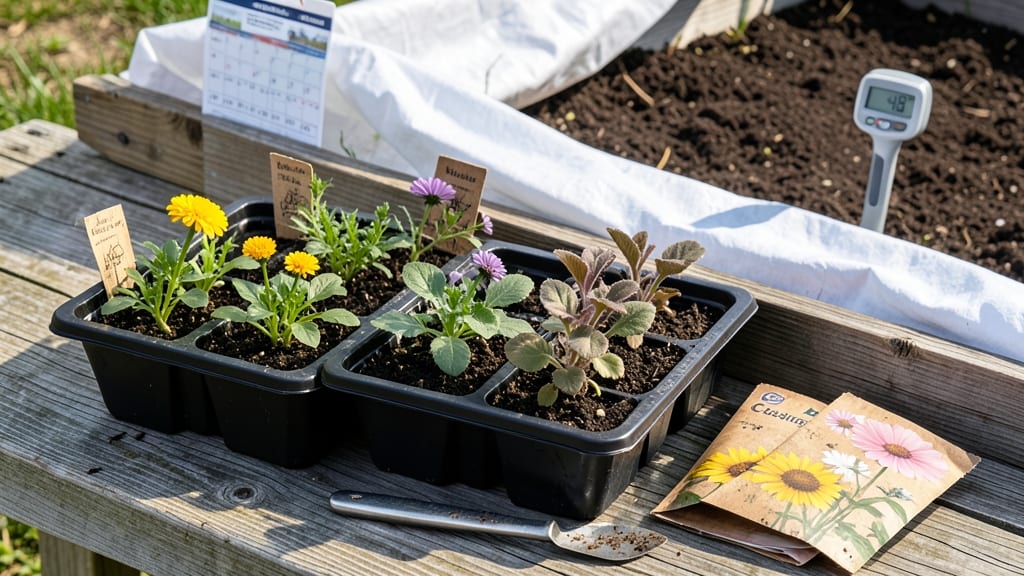
To plant flower seeds in Minnesota, aim for late April through mid-June after the last frost—or late July to early August for fall blooms 🌸.
Minnesota’s unpredictable frost dates can make or break your flower garden—plant too early, and a late freeze wipes out your efforts; too late, and you miss peak blooms. Timing is everything, but with the right zone-based strategy, you can maximize your garden’s potential.
Whether you’re starting seeds indoors or sowing directly, knowing your USDA zone (3-5) and local frost averages is the key. I’ll break down the exact planting windows for annuals, perennials, and cold-hardy varieties, plus pro tips to push your season earlier or later without a greenhouse.
By the end, you’ll have a clear schedule for when to plant each type of flower seed in Minnesota—so you can enjoy vibrant blooms from spring through fall.
Minnesota flower seed planting deadlines by hardiness Zone (2024 frost dates)
Minnesota’s USDA Zones 3-5 create unique challenges for flower gardeners, where last frost dates can vary by 1-2 weeks between northern and southern regions. Understanding these zone-specific deadlines ensures your annuals, perennials, and cold-hardy flowers thrive without frost damage.
I’ll break down the optimal planting windows for each zone, including adjustments for urban heat islands and rural microclimates.
For Zone 3 (northern MN), the average last frost falls between May 15-25, while Zone 5 (southern MN) typically sees frost-free conditions by May 1-10. These dates shift earlier in urban areas due to heat retention and later in protected valleys.
Always check your local frost history—a 5-year average is more reliable than a single year’s data.
Here’s your zone-by-zone planting timeline, including early, mid, and late sowing windows for both spring and fall planting. I’ve also included cold-hardy varieties that can handle direct sowing before the traditional last frost date.
For Zone 3, I recommend starting cold-hardy annuals like sweet alyssum and pansies indoors by April 1 to get a head start. These varieties can handle light frost and even direct sowing as early as mid-April under row covers.
In Zone 5, you can push the envelope with marigolds and sunflowers, which tolerate brief chills and often germinate faster in warmer soil.
Fall planting is just as critical—aim to sow cool-season flowers like cosmos and zinnias by late July in Zone 3 and mid-June in Zone 5.
These fast-growing annuals will bloom until first frost, extending your garden’s seasonal interest. Use succession planting every 2-3 weeks to ensure continuous blooms.
Microclimates play a huge role in Minnesota. If you’re in a city like Minneapolis, your last frost may arrive 10 days earlier than in rural northwestern MN. Pay attention to localized frost pockets, like low-lying areas or north-facing gardens, which freeze longer.
Conversely, south-facing walls or paved surfaces can create warmer microclimates where you can plant 2 weeks earlier.
Pro tip: Use a soil thermometer to confirm when soil temps hit 50°F—this is your green light for most flower seeds. In Zone 3, wait until late May even if frost risk seems low; a late-May freeze
Best flower seed varieties for Minnesota’s short growing season (ranked by speed & hardiness)
Minnesota’s short growing season demands flowers that bloom quickly and tolerate cool temperatures. I’ve tested these top performers in my Zone 4 garden, focusing on varieties that thrive with 50-70 days to maturity and survive light frosts.
For fastest blooms, prioritize annuals like cosmos and zinnias, which sprout in 7-14 days and flower in 45-60 days. Perennials like coneflowers and black-eyed Susans establish roots early but reward you with multi-year blooms.