
Flowers
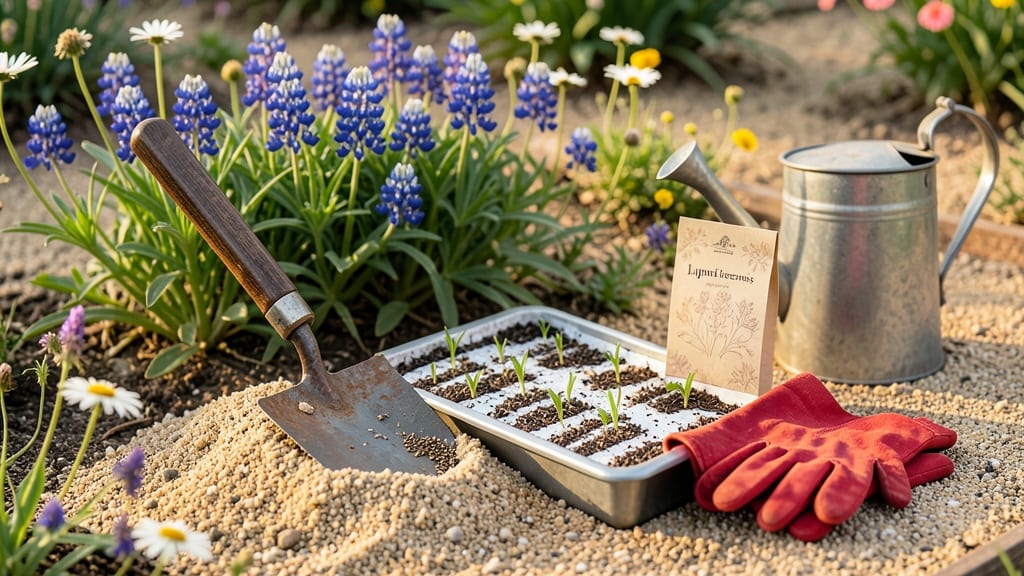
To plant flower seeds in Texas at the perfect time means catching the window between frost risk and scorching heat—February to April for spring blooms and August to October for fall varieties.
Texas gardeners know timing is everything—plant too early, and frost will kill them; too late, and you’ll miss the blooming season. But with USDA zones 8a–11 and microclimates from the Panhandle to the Gulf Coast, the rules aren’t one-size-fits-all.
Whether you’re sowing heat-loving zinnias or frost-tolerant salvias, the key is matching your seeds to your zone’s last-frost date and soil temperature. Skip the guesswork with zone-specific deadlines, soil prep tricks, and seasonal planting hacks tailored to Texas’ extremes.
You’ll learn exactly when to start seeds indoors, how deep to plant them, and which flowers thrive in your corner of the state—plus how to stretch your blooming season from spring to fall.
Texas flower seed planting deadlines by hardiness Zone (7a–9b)
Texas spans USDA hardiness zones 7a through 9b, creating wildly different planting conditions. In Zone 7a (Panhandle), late frosts can linger until March 15, while Zone 9b (South Texas) enjoys frost-free winters. Understanding these zones helps you avoid frost damage or heat stress—both deadly for young seedlings.
Most Texas gardeners focus on two key planting windows: early spring (after last frost) and fall (6-8 weeks before first frost). However, heat-tolerant annuals like zinnias and sunflowers can be sown directly in late spring once soil reaches 65°F+.
Below, I’ve broken down the exact deadlines by zone to maximize your blooms.
| Zone | Last Frost Date | First Frost Date | Spring Planting Window | Fall Planting Window | Soil Temp for Germination |
|---|---|---|---|---|---|
| 7a (Panhandle) | March 15 | December 1 | April 1 – May 15 | August 1 – September 15 | 60°F+ |
| 7b (North Central) | March 1 | November 15 | March 20 – May 10 | August 15 – October 1 | 60°F+ |
| 8a (Dallas/Fort Worth) | February 15 | November 1 | March 1 – April 30 | August 1 – September 30 | 65°F+ |
| 8b (Austin/San Antonio) | January 31 | October 15 | February 15 – April 15 | July 31 – October 15 | 68°F+ |
| 9a (Houston/College Station) | January 15 | October 1 | February 1 – March 15 | July 15 – September 30 | 70°F+ |
| 9b (South Texas) | December 15 | September 15 | January 1 – February 28 | June 15 – August 31 | 72°F+ |
Notice how Zone 9b has a winter planting window? This is perfect for cool-season flowers like snapdragons and sweet alyssum, which thrive in mild winters. Meanwhile, Zone 7a gardeners must wait until April to avoid frost, but they can still enjoy longer fall seasons for late bloomers.
For heat-sensitive perennials like black-eyed Susans, plant seeds in early spring (before 90°F+ heat sets in). Annuals like cosmos are more forgiving—they self-seed easily and handle Texas summers if given well-draining soil and regular water.
Pro tip: Use a soil thermometer to confirm germination temps. Most flower seeds need 60–75°F soil, but marigolds and zinnias can germinate in 75–85°F—ideal for late spring sowing in Zones 8b–9b.
Don’t overlook fall planting—it’s often more successful than spring in Texas. Cooler temps reduce pest pressure and disease risk, while established roots prepare plants for winter dormancy or spring blooms. Aim to plant 6–8 weeks before first frost for best results.
For container gardening, extend your season by starting seeds indoors 4–6 weeks before outdoor deadlines. Use grow lights to simulate 14–16 hours of light daily, then harden off seedlings before transplanting. This works especially well for delicate flowers like petunias in
Best flower seeds to plant in Texas by season (spring vs. fall)
Texas gardeners know timing is everything—plant flower seeds too early, and frost will kill them; too late, and you’ll miss the blooming season.
The Lone Star State’s climate zones (6-10) create dramatic differences between North Texas’ cooler winters and South Texas’ mild winters. Spring and fall are your best bets for vibrant blooms, but each season demands different strategies to succeed.
Spring planting kicks off after last frost dates, typically between February 15 (North Texas) and January 15 (South Texas). Fall planting offers a second chance, with ideal windows from August through October—avoiding the brutal summer heat.
Let’s explore the top-performing flowers for each season and how to maximize their potential in Texas gardens.
- 1
- 2
- 3
- 4
- 5
For spring planting, I recommend starting with heat-tolerant annuals like Mexican sunflowers or celosia, which handle Texas’ quick transition from cool to scorching. These varieties bloom 60-75 days after sowing, giving you vibrant color by May. Pre-soak seeds overnight to improve germination rates in our dry climate.
Fall offers a gentler growing window, ideal for cool-season flowers like pansies and snapdragons. These plants establish roots before winter and rebound quickly in spring. Plant in September to avoid first frost, which typically hits North Texas in December and South Texas by November 15.
Pro tip: Use shade cloth (30-50%) for spring seedlings to protect them from intense afternoon sun while they establish. For fall, focus on well-draining soil—Texas clay can become waterlogged after rains. Amend with compost to improve structure and moisture retention.
Remember, succession planting is key in Texas. Sow marigolds every 2-3 weeks in spring for continuous blooms, and repeat with cosmos in fall. This strategy ensures your garden stays colorful year-round, even with our unpredictable weather.