
Flowers
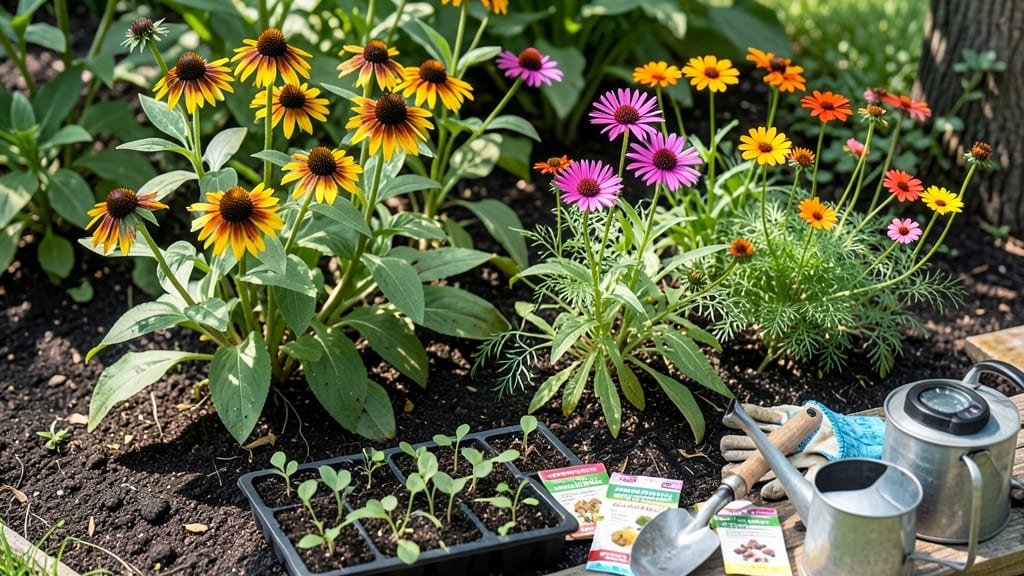
Planting flower seeds in Tennessee at the right time means the difference between a garden bursting with 🌸 color and one that fizzles before it starts.
Picture this: you’ve spent weeks dreaming of a backyard bursting with zinnias and black-eyed Susans, only to watch them wilt under Tennessee’s unpredictable spring showers or swelter in summer heat.
The key? Planting them 4-6 weeks before your last frost—typically by mid-March in most of the state, but earlier in the warmer southern regions.
Tennessee’s USDA Zones 6a-7b stretch from the cooler Appalachian foothills to the hotter Memphis plains, so timing varies. Cool-season flowers like pansies thrive when sown in early spring, while heat-lovers like marigolds wait for soil to warm in late April or May.
Even fall planting has a sweet spot: August to September for blooms that last into winter.
Below, I’ll break down the exact month-by-month schedule for your region, plus the 3 biggest mistakes Tennessee gardeners make—and how to avoid them for a garden that blooms all season long.
Tennessee planting zones: when to start flower seeds indoors vs. outdoors
Tennessee spans USDA Hardiness Zones 6b through 8a, creating microclimates where last frost dates can vary by 3-4 weeks from East to West. In Zone 6b (Great Smoky Mountains), frost lingers until mid-April, while Zone 8a (Memphis area) sees late-March last frosts.
This variation means your flower seed timing must adapt to your specific corner of the state.
For cool-season flowers like pansies and snapdragons, I start seeds indoors 8-12 weeks before last frost—typically mid-January to early March in most of Tennessee. Warm-season beauties such as zinnias and marigolds, however, need to wait until after your last frost date, usually late April to early May, to avoid chilling injury.
Urban gardeners in Nashville (Zone 7a) often face warmer microclimates near buildings, while rural areas in East Tennessee may experience colder pockets. Always check local frost maps (like the National Weather Service) and adjust your schedule by 1-2 weeks if you're in a protected microclimate.
🌱
| Zone | Last Frost | Indoor Start (Cool-Season) | Outdoor Plant (Cool-Season) | Outdoor Plant (Warm-Season) |
|---|---|---|---|---|
| 6b (East TN) | Mid-April | Mid-January | Late March | Mid-May |
| 7a (Nashville) | Early April | Early February | Early April | Late April |
| 7b (Middle TN) | Late March | Late January | Mid-March | Early May |
| 8a (West TN) | Early March | Early January | Late February | Late April |
*Adjust dates 1-2 weeks earlier for urban heat islands or later for high-elevation areas.
If you're growing heat-loving annuals like sunflowers or cosmos, I recommend waiting until soil temperatures reach 60°F+—usually 2-3 weeks after last frost. Use a soil thermometer to check, as cool soils can stunt seed germination.
For fall-blooming flowers, aim to plant 8-10 weeks before first frost (typically late July to early August).
In Zone 8a, gardeners can even squeeze in a second planting of warm-season flowers in late summer (August) for fall color. Just be prepared to cover young plants if an early frost threatens.
My go-to varieties for this trick include cosmos, zinnias, and marigolds, which tolerate light frosts better than others.
For perennial flowers like coneflowers or black-eyed Susans, I plant seeds directly outdoors in early spring (March-April) or late summer (August). These hardy plants establish deep roots over time, making them more frost-resistant once mature. 🌿
Don't forget that container gardening in Tennessee offers flexibility—potted flowers can be moved indoors during unexpected cold snaps or outdoor heatwaves. This is especially useful in Zone 7b-8a, where summer temperatures can exceed 90°F. I keep my heat-sensitive annuals in 5-gallon pots on casters for easy relocation.
When in doubt, I use the "thumb rule": Cool-season flowers get 8-12 weeks indoors before last frost, while warm-season flowers wait until soil is warm. For Tennessee gardeners, this means March is the busiest month—prepping for spring planting while still watching for late frosts. ☀️
Best flower seed planting schedule by season in Tennessee
Tennessee’s diverse climate—from the cooler Appalachian Mountains to the hotter Memphis plains—demands precise timing for flower seed planting. Annuals like zinnias and perennials like coneflowers thrive when planted at the right moment, ensuring vibrant blooms all season.
The key? Matching your soil temperatures and frost dates to each flower’s needs.
Most Tennessee gardeners divide their planting into two main windows: spring (March–May) and fall (August–September). Cool-season flowers like pansies and snapdragons can handle early spring sowing, while heat-lovers like marigolds and petunias wait until soil warms.
Below, I’ve broken down the month-by-month schedule for Tennessee’s most popular blooms, including soil temperature tips and companion planting to extend your bloom time.
🌱 Tennessee Flower Planting Calendar
- March: Start cool-season seeds indoors (e.g., calendula, sweet peas). Plant hardy annuals like pansies outdoors after last frost (soil temp: 45°F+).
- April: Sow warm-season seeds (e.g., zinnias, cosmos) once soil reaches 60°F+. Transplant perennials like black-eyed Susans and cone flowers.
- May: Direct-sow heat-loving annuals (e.g., marigolds, sunflowers). Succession plant basil and petunias every 2 weeks for continuous blooms.
- June–July: Focus on succession planting for fast-growing annuals like nasturtiums. Mulch to retain moisture and deter weeds.
- August: Start fall-blooming seeds indoors (e.g., cosmos, snapdragons). Plant cool-season veggies alongside flowers for companion benefits.
- September: Direct-sow hardy annuals (e.g., stock, sweet alyssum) for fall color. Avoid planting after mid-October in Zone 6.
For companion planting, pair zinnias with basil to repel pests, or plant marigolds near tomatoes to deter nematodes. Coneflowers and black-eyed Susans attract pollinators, making them perfect neighbors for vegetable gardens.
Always space seeds according to mature plant size—sunflowers need 12–24 inches apart, while petunias thrive in clusters.
Soil temperature is critical: Cool-season flowers (e.g., pansies, lettuce) germinate best at 45–60°F, while warm-season blooms (e.g., tomatoes, peppers) require 70°F+. Use a soil thermometer to check before planting.
In Zone 7–8 (southern TN), you can extend your season by planting heat-tolerant varieties like celosia or portulaca as late as June.
Don’t overlook fall planting—it’s your secret to early spring blooms. Sow snapdragons and stock in September for winter color, and protect them with row covers if frost threatens. Perennials like coneflowers planted in fall establish deeper roots before winter, ensuring stronger blooms next year.
Pro tip: Keep a gardening journal to track your planting dates, bloom times, and any adjustments for your microclimate. Tennessee’s humidity and variable frost dates mean your schedule might shift slightly each year—adapt and refine for peak performance! 🌸