
Flowers
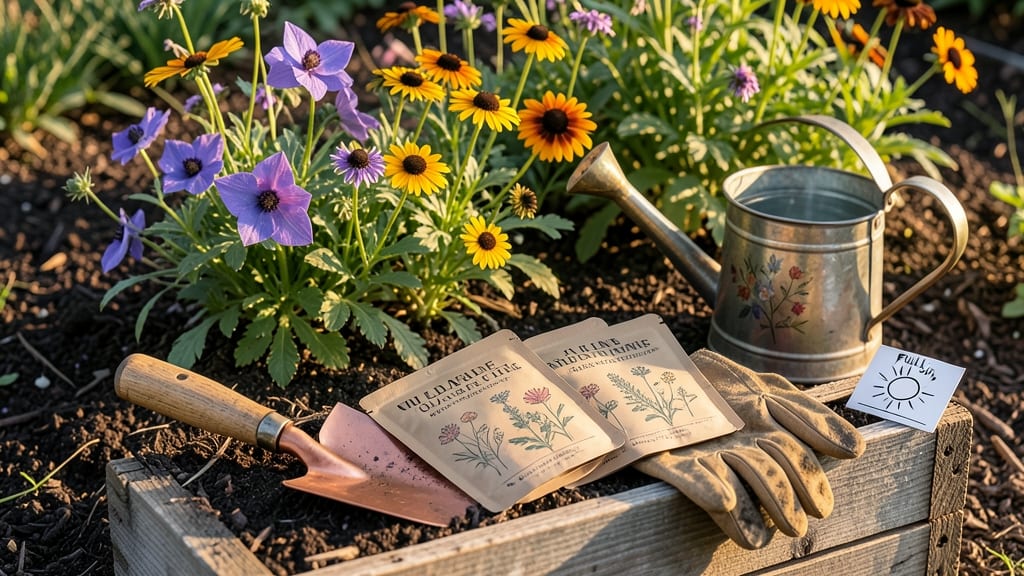
Planting flowers in Colorado at the right time means the difference between a garden bursting with color and one that struggles to take root.
Colorado’s diverse climate—from high-altitude mountains to arid plains—means planting flowers at the wrong time can leave you with wilted dreams instead of vibrant blooms. Timing is everything, and getting it right ensures your garden thrives year after year.
Whether you’re in USDA Zones 5-7, the key is knowing when the soil warms and when frost is no longer a threat. For most 🌸 flowers, that window opens in March or April, but high-altitude areas may need to wait until May to avoid frost damage.
Below, I’ll break down the exact months to plant annuals, perennials, and bulbs for each zone, plus tips for drought-resistant picks that flourish in Colorado’s unique conditions.
Colorado flower planting calendar by USDA Zone and month
Colorado’s USDA Zones 4-7 create a unique gardening puzzle, where elevation shifts of 1,000 feet can change frost dates by weeks. The Front Range (Denver, Boulder) typically follows Zone 5-6 timelines, while the Western Slope (Grand Junction, Durango) leans toward Zone 6-7 with earlier springs.
Understanding these zones helps you avoid frost damage or missed blooms.
Most annual flowers thrive when planted 2-4 weeks after the last frost, while perennials often prefer early spring or fall planting. Bulbs like tulips need fall planting (September-October) to establish roots before winter. Let’s break down the best month-by-month planting windows for each zone.
🌱
| USDA Zone | Region | Last Frost | First Frost | Spring Planting Window | Fall Planting Window |
|---|---|---|---|---|---|
| Zone 4 (High Altitude) | Mountains (e.g., Aspen, Steamboat) | May 15 | September 15 | May 1 - June 15 | August 1 - September 1 |
| Zone 5 (Front Range) | Denver, Boulder, Fort Collins | April 15 | October 15 | April 15 - May 31 | August 15 - September 15 |
| Zone 6 (Western Slope) | Grand Junction, Colorado Springs | March 30 | October 30 | March 30 - May 15 | August 1 - September 30 |
| Zone 7 (Lower Elevations) | Pueblo, Canon City | March 15 | November 15 | March 15 - April 30 | August 15 - October 15 |
🌻 Note: Adjust for microclimates—valleys warm faster than slopes!
For Zone 4 gardeners in high-altitude areas like Aspen or Leadville, wait until late May to plant tender annuals like marigolds or petunias. These areas experience late frosts well into May, so hardy perennials like coneflowers or black-eyed Susans can handle early April planting.
In Zone 5 (Denver/Boulder), you can start cool-season flowers like pansies or snapdragons as early as late March, but warm-season favorites such as tomatoes (yes, they’re flowers too!) and geraniums need to wait until after May 1.
The Western Slope’s Zone 6 allows for earlier planting, with Zone 7 regions like Pueblo enjoying longer growing seasons.
💧 Pro Tip: Use a soil thermometer to confirm soil temps are above 50°F before planting warm-season flowers. Cold soil slows germination and stresses young plants.
Fall planting in Colorado is just as critical as spring. Bulbs like daffodils and tulips need 6-8 weeks of cool soil before winter, so plant them by mid-September in Zone 5. Perennials like lavender or sedum can be planted until late September, giving roots time to establish before first frost.
🌿 Native Flowers like blanket flower or columbine are drought-tolerant and thrive with minimal intervention. Plant them in early spring or fall for best results. These low-water plants are perfect for Colorado’s arid climates and high-altitude gardens.
If you’re in a microclimate—like a sunny south-facing slope—you can push planting dates 1-2 weeks earlier than the zone average. Conversely, shady or windy areas may need delayed planting to protect young plants.
Always check local frost dates from resources like the Colorado Climate Center for the most accurate timing.
Top 5 mistakes Colorado gardeners make with flower planting timing
Colorado’s variable frost dates and high-altitude microclimates make flower planting tricky. Many gardeners rush into spring planting or overlook fall prep, leading to wilting blooms or stunted growth. I’ve seen firsthand how a few simple adjustments can transform a struggling garden into a vibrant, long-lasting display.
The key? Understanding your USDA zone and soil temperature before reaching for the trowel.
One of the biggest mistakes is planting tender annuals like petunias or marigolds too early in March or April, when nighttime temperatures can still dip below 40°F (4°C). These heat-loving flowers need consistent warmth to thrive, and a late frost can kill them overnight.
Even hardy perennials like coneflowers can struggle if planted before the soil warms to 50°F (10°C).
⚠️ Warning: Timing Mistakes That Kill Your Flowers
- Planting too early: March is risky for tender flowers—wait until after last frost (usually mid-April to May in most zones).
- Ignoring soil temp: Use a soil thermometer—50°F (10°C) is the minimum for most flowers.
- Overlooking elevation: Denver (Zone 5) and Aspen (Zone 4) have different frost dates—adjust by 2-4 weeks higher up.
Pro Tip: Check your local coop extension for frost date averages—they’re your best guide!
Another common error is skipping fall planting entirely. Many gardeners assume flowers only go in the ground in spring, but cool-season bloomers like pansies and snapdragons thrive when planted in August or September.
These flowers establish roots before winter and bloom early in spring, giving you a head start on color. Plus, they’re less competitive with weeds once spring arrives.
Don’t forget about bulb planting—many gardeners plant tulips or daffodils too late in fall, missing the 6-8 week rooting window before ground freezes. Aim to plant by mid-October in Zone 5 and early October in Zone 6-7.
If you’re late, your bulbs may rot in the ground or fail to bloom the next year.
Overcrowding seedlings is another silent killer. Many gardeners buy seedling trays from nurseries and plant them too closely, thinking they’ll fill out later. But competition for water and nutrients leads to weak, leggy stems and fewer blooms. Space seedlings according to their mature size—check the tag! For example, geraniums need 12-18 inches apart, while cosmos can handle 18-24 inches.
Finally, neglecting mulch after planting can leave your flowers vulnerable to temperature swings and moisture loss. A 2-3 inch layer of mulch (straw, shredded leaves, or pine needles) helps regulate soil temp and retain moisture, especially in Colorado’s dry winds.
Just avoid piling mulch against stems to prevent rot. With these adjustments, your flower beds will thrive all season.