
Plants
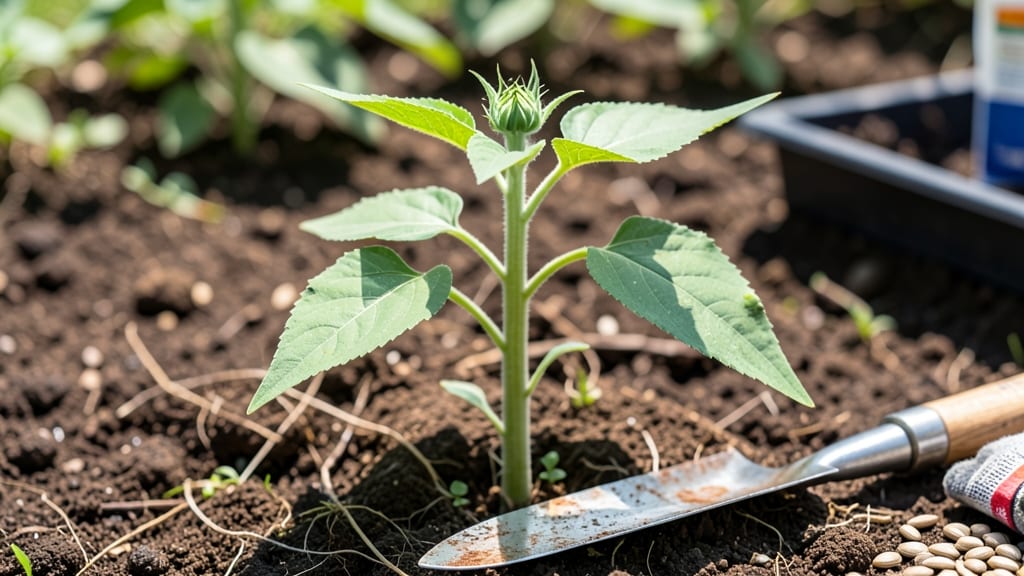
Planting sunflower seeds in North Carolina at the right time ensures those towering 🌻 blooms reach their full potential—and avoids the heartbreak of frost-nipped seedlings.
Here’s the deal: Sunflowers love warmth, so planting too early in Zone 6a-8a risks frost damage, while waiting too long cuts your bloom season short. The sweet spot? Mid-April to early July for spring plantings, with a backup window for fall lovers.
But timing isn’t one-size-fits-all. Coastal NC’s milder climate lets you start earlier, while mountain regions need to wait for soil to warm.
I’ll break down the exact frost-free dates by zone and share pro tips to stretch your sunflower season—because nobody wants to miss those 10-foot giants reaching for the sky.
Ready to grow sunflowers that outshine the rest? You’ll learn how to prep soil, space seeds perfectly, and keep them thriving until harvest—no guesswork, just big, bold blooms from seed to showstopper.
North Carolina sunflower planting zones & frost-free date guide
North Carolina spans USDA zones 5a through 8a, meaning frost dates vary dramatically from the mountains to the coast. Sunflowers thrive when planted after the last frost but before summer heat peaks.
In zone 5a (western NC), you’ll have a shorter window, while zone 8a (coastal areas) enjoys extended growing seasons. Understanding these differences ensures your seeds sprout when soil temperatures hit the ideal 60-65°F range.
For direct sowing, wait until soil warms to at least 55°F—cold soil slows germination. If starting indoors, begin seeds 4-6 weeks before your last frost date. Microclimates matter too: urban areas may warm faster than rural spots, so monitor local weather patterns.
Below, I’ve broken down planting windows by zone, including first/last frost dates and soil temperature thresholds to help you time it perfectly.
🌱 Key Takeaway: Sunflowers are frost-sensitive seedlings but heat-tolerant mature plants. Plant too early, and frost will kill them; too late, and they’ll bolt in summer heat. Aim for mid-April to early July for most NC zones, with adjustments for early or late varieties.
In zone 5a, like Asheville or Boone, your window is tight—plant after March 15 to avoid frost. Use row covers if late frosts linger.
For zone 8a (e.g., Wilmington or Outer Banks), you can start as early as late March and enjoy a second planting in early July for fall blooms. Always check your local Almanac’s frost dates—they’re more precise than USDA averages.
Microclimates play a huge role. Urban areas like Raleigh or Charlotte often warm faster than rural farms, so you might plant 1-2 weeks earlier in cities. Conversely, valleys and low-lying areas hold cold longer.
If you’re unsure, use a soil thermometer—sunflowers won’t germinate well below 55°F. For direct sowing, aim for 60-65°F soil for best results.
For indoor starts, begin seeds 4-6 weeks before your last frost date. Use grow lights to provide 14-16 hours of light daily—sunflowers need plenty to avoid leggy seedlings.
Transplant outdoors when seedlings are 3-4 inches tall and soil is warm. Harden them off for 5-7 days before moving to the garden to reduce shock.
Pro tip: If you miss the spring window, try a late-summer planting (June–July) for fall blooms. Choose
Best sunflower varieties for North Carolina & their planting timelines
North Carolina’s diverse climate zones (6a-8a) mean you can grow sunflowers from early spring to mid-summer, but the right variety makes all the difference. Dwarf varieties like 'Moulin Rouge' thrive in containers and small gardens, while giants like 'Russian Giant' need space and patience.
Let’s break down the best options for NC’s heat and humidity, plus their perfect planting windows to maximize blooms.
For dwarf varieties, I recommend planting 'Moulin Rouge' (1-3 ft tall) from mid-April to early June—its red-and-yellow blooms add vibrant color without overwhelming your space. 'Autumn Beauty' (3-5 ft) is another favorite, with multi-colored petals that bloom from late summer to frost.
These varieties are drought-tolerant once established, making them ideal for NC’s hot, dry summers.
Mid-height sunflowers like 'Teddy Bear' (3-5 ft) are perfect for cut flowers and bird feeders. Plant these late April to early July for late summer blooms.
Their compact size and early maturity (60-70 days) make them great for succession planting—just sow new seeds every 2-3 weeks to enjoy blooms all season.
| Variety | Height | Planting Window (NC) | Days to Maturity | NC-Specific Tip |
|---|---|---|---|---|
| Moulin Rouge | 1-3 ft | Mid-April to early June | 50-60 days | Drought-resistant; great for containers |
| Autumn Beauty | 3-5 ft | Late April to early July | 60-70 days | Multi-colored blooms; attracts pollinators |
| Teddy Bear | 3-5 ft | Late April to early July | 60-70 days | Perfect for cut flowers; succession plant |
| Russian Giant | 10-16 ft | Mid-April to early May | 100-120 days | Needs staking; plant early for summer heat |
| Mammoth Russian | 8-14 ft | Mid-April to late May | 90-110 days | Heat-tolerant; great for seed production |
If you’re dreaming of towering sunflowers, 'Russian Giant' and 'Mammoth Russian'