
Flowers
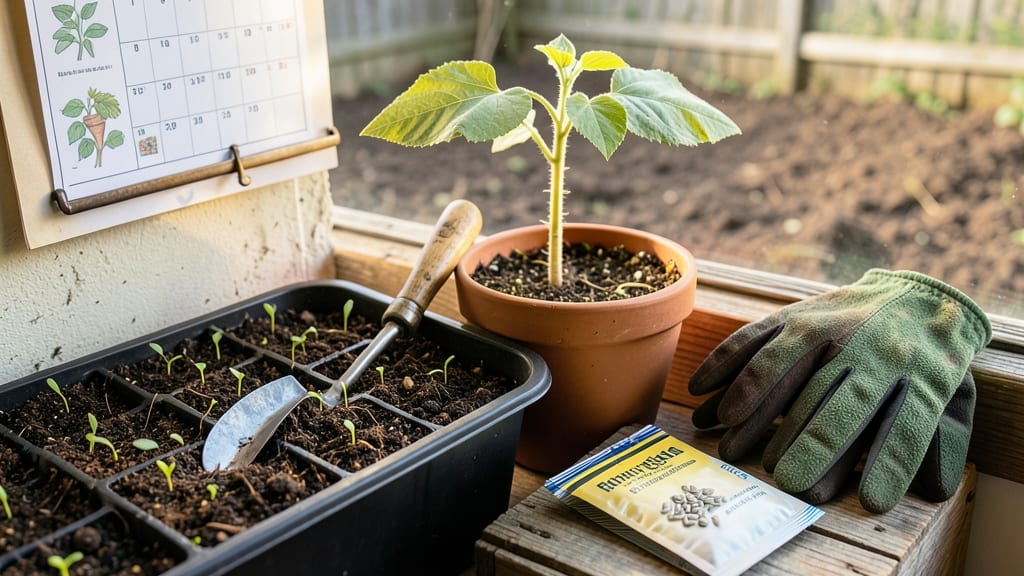
Planting sunflowers in Oklahoma means timing your seeds to beat the heat and avoid frost—aim for mid-March through May 1 in most zones, or late summer for a second crop.
Sunflowers thrive in Oklahoma’s long, hot summers—but planting them too early or late can mean wilted dreams before they even bloom. Timing is everything, and these heat-tolerant giants demand precision.
If you’ve ever watched a sunflower 🌻 bolt straight up only to collapse under July’s scorching sun, you know the stakes. The right window ensures sturdy stems, vibrant blooms, and seeds ready for harvest before birds get first dibs.
Below, I’ll break down the exact dates for your region—whether you’re in Oklahoma City’s Zone 7a or the Panhandle’s Zone 6a—plus the heat-tolerant varieties that won’t flinch at 90°F+ temperatures.
Oklahoma’s best sunflower planting dates by region (with heat-tolerant variety recommendations)
Oklahoma’s sunflowers love the heat, but planting them at the wrong time can turn your garden into a sad, wilted mess. The key is knowing your USDA zone and local climate quirks.
Whether you're in Oklahoma City, Tulsa, or the southern regions, timing matters—especially when choosing heat-tolerant varieties like 'Autumn Beauty' or 'Russian Giant' that can handle 90°F+ temperatures without wilting.
Sunflowers thrive in Oklahoma’s USDA zones 6a-8a, but the last frost date varies dramatically. In Zone 6a (northwest Oklahoma), frost lingers until mid-April, while Zone 8a (southern Oklahoma) sees frost-free soil by early March.
This means your planting window shifts by weeks depending on where you live. Let’s break it down by region so you can plant with confidence.
⚠️ NON-NEGOTIABLE: Always wait until soil temperatures reach at least 50°F before planting sunflower seeds. Cold soil slows germination and can lead to rot. Use a soil thermometer if you're unsure—it’s a small investment for big results!
For northern Oklahoma, like Oklahoma City, aim for mid-April planting. The 'Russian Giant' variety is a top pick here because it can handle the late spring frosts that sometimes sneak in. If you’re worried about frost, use row covers or wait until May 1 for foolproof results.
These giants can grow 12-16 feet tall, so give them plenty of space—at least 2 feet apart in all directions.
In central Oklahoma, including Tulsa and Norman, you’ve got a longer window from late March to early May. This is where 'Autumn Beauty' shines—it’s a dwarf variety that blooms in shades of red, orange, and yellow, perfect for cutting or adding color to your garden.
Plant seeds ½ inch deep and keep the soil consistently moist until germination, which usually takes 7-14 days.
Southern Oklahoma, like Lawton and Ardmore, gets warmer earlier, so you can start as early as late February. The 'Moulin Rouge' variety is a showstopper with its bi-color petals and thrives in the humid heat of southern Oklahoma.
For extra protection against summer heat waves, mulch around the base of your plants to keep roots cool and moist. This variety also attracts pollinators, so it’s a win-win for your garden ecosystem.
If you’re in the Panhandle, like Amarillo or Altus, focus on dwarf varieties like 'Teddy Bear'. These 1-3 foot tall sunflowers are perfect for small gardens or containers and can handle the dry, hot conditions of the region. Plant in April
How to adjust planting dates for Oklahoma’s unpredictable weather (frost risks & heat waves)
Oklahoma’s weather can swing from freezing nights in April to 100°F heat waves by June, making sunflower planting a delicate balance. While most gardeners aim for after the last frost date, late frosts in northern Oklahoma (like Zone 6a) can still threaten tender seedlings.
Meanwhile, southern regions (Zone 8a) may face early summer droughts that stress young plants.
To succeed, I adjust my planting strategy based on microclimate risks and use protective tools like row covers and mulch.
For example, in Oklahoma City (Zone 7a), I plant Russian Giant sunflowers in late April to early May, but I’m ready to cover them if temperatures dip below 40°F at night.
⚠️ callout warning ⚠️
Zone 6a (Panhandle): Last frost April 15 (but March 20 is safer for early starters with row covers). Zone 7a (OKC/Tulsa): Last frost April 1 (but March 25 is riskier—wait until April 10 for most varieties). Zone 8a (Southern OK): Last frost March 1, but heat stress becomes the bigger threat by May 1.
Pro Tip: Use the Oklahoma Mesonet (mesonet.org) to track soil temperatures—sunflowers need 50°F+ soil to germinate reliably.
For heat waves, I rely on mulching and shade cloth to protect young sunflowers. Spread 3–4 inches of straw mulch around the base to retain moisture and keep roots cool.
In July and August, I use 30% shade cloth over seedlings to reduce transplant shock from Oklahoma’s sudden 110°F+ temps.
Another trick? Plant a second crop in late summer (around August 1–15) for varieties like ‘Autumn Beauty’, which thrive in fall’s cooler weather. These sunflowers avoid the peak heat stress of July while still producing vibrant blooms by October.
To calculate your local last frost date, check the Oklahoma State University Extension’s frost maps (extension.okstate.edu) or use the 5-10-15 rule: Subtract 5 days per USDA zone from the average last frost date for a safer window.
For example, if your zone’s average is April 5, plant by April 10.
Finally, monitor your sunflowers’ growth rate—if they’re bolting too fast (elongating stems without blooming), they’re reacting to heat stress. Provide consistent watering (1–2 gallons per plant weekly) and consider light fertilizing with 5-10-10 to support root development during Oklahoma’s unpredictable growing season.