
Plants
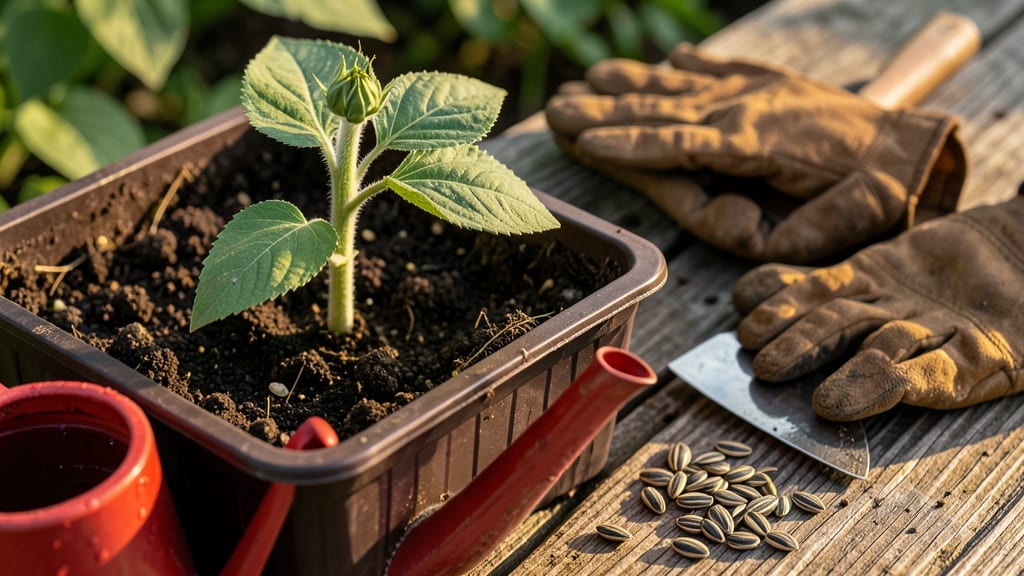
Planting sunflower seeds in Tennessee after the last frost date—typically mid-April to mid-June—sets you up for towering blooms by summer 🌻.
Miss that window, and you risk stunted plants or worse: a late frost can turn your sunflower dreams into a sad, brown puddle overnight. But timing isn’t just about frost—it’s also about your specific zone, soil warmth, and even the variety you pick.
In USDA Zones 6a-7b, where Tennessee’s climate shifts from the Smokies’ chill to Memphis’ heat, the right moment depends on whether you’re in the mountains or the plains. I’ll break down the exact frost-free dates for Nashville, Chattanooga, and beyond, plus how to stretch your growing season for second plantings.
You’ll learn which sunflower types thrive in Tennessee’s short vs. long seasons, how to prep soil for maximum growth, and the 3 simple tricks to protect seedlings from unexpected cold snaps. Let’s get those seeds in the ground the right way.
Tennessee sunflower planting calendar: exact frost-free dates by USDA Zone 6-7
Getting your sunflower seeds in the ground at the right time is critical in Tennessee, where USDA Zones 6 and 7 experience wildly different frost patterns. In Nashville and Memphis (Zone 7), you’ll have a longer growing window, while Knoxville and the Great Smoky Mountains (Zone 6) demand earlier starts.
Missing the mark can mean frost-nipped seedlings or stunted growth—neither of which you want for your bold, cheerful blooms. Let’s break down the exact dates and strategies for each region.
First, let’s clarify: Tennessee’s last frost dates aren’t set in stone—they vary yearly based on weather patterns. However, historical averages give us a reliable starting point.
For Zone 7 cities like Nashville and Memphis, the average last frost falls around April 1-15, while Zone 6 areas like Knoxville and the Smokies typically see their final frost between March 20-April 5.
Elevation plays a huge role—mountainous regions like Gatlinburg can experience frost 2-3 weeks later than valley areas.
Microclimates matter: If you’re gardening in the Great Smoky Mountains or other elevated areas, assume a 10-14 day delay in frost-free dates. For example, while Memphis might be ready to plant by mid-April, a Knoxville garden at 2,000 feet elevation should wait until early May. Always check local weather forecasts in late March for real-time updates—this is your best defense against unexpected cold snaps.
Here’s a quick reference for planting windows based on your location and risk tolerance:
For Zone 7 gardeners in Nashville and Memphis, you’ve got flexibility. Start sowing directly outdoors as early as April 1 for cold-hardy varieties like 'Autumn Beauty' (which tolerates light frost).
However, if you’re aiming for taller varieties like 'Russian Giant', wait until mid-April to give them enough time to mature before the first fall frost (November 15 in most areas).
In Zone 6 areas like Knoxville, play it safe by waiting until April 15 for standard varieties. If you’re in the Smokies or other high-elevation zones, your window shrinks dramatically—focus on fast-maturing varieties (50-60 days) like 'Moulin Rouge' and plant no earlier than May 1.
These regions often see late spring frosts, so always have row covers ready to protect young seedlings.
Don’t overlook succession planting for a longer bloom season. In Zone 7, you can make a second planting in early June for fall blooms—just choose varieties with a 60-70 day maturity to ensure they finish before the first frost. This works best
How to extend sunflower growing season in Tennessee’s unpredictable spring
Tennessee’s unpredictable spring frosts can turn your sunflower dreams into wilted disappointment if you’re not prepared. Even after the average last frost date (late March to mid-April), late cold snaps still sneak in, especially in USDA Zone 6 areas like the Smoky Mountains.
The key? Smart timing and protective strategies to give your sunflowers a fighting chance.
Don’t let cool microclimates or delayed warmth ruin your garden. With the right techniques—like row covers, soil warming, and succession planting—you can stretch your sunflower season from early spring to late fall.
I’ve tested these methods in my Nashville garden (Zone 7a) and seen Autumn Beauty varieties bloom well into October!
- 🌱 Start 4-6 weeks indoors
- 🌡️ Use black plastic mulch 2 weeks before planting
- 🛡️ Cover seedlings with frost cloth until soil warms
- 🌻 Plant cold-hardy varieties like 'Autumn Beauty' or 'Teddy Bear'
- 📅 Succession plant every 2 weeks until July 1
For soil warming, lay down black plastic mulch 2-3 weeks before your target planting date. This raises soil temps by 5-10°F, helping seeds germinate faster. In my Zone 7 garden, this technique let me plant 'Moulin Rouge' sunflowers 3 weeks earlier than usual without frost damage.
If late frosts still threaten, row covers are your best friend. Lightweight frost cloth (rated for 28°F) draped over young plants can protect them until they’re 6 inches tall. Just remember to remove covers during the day for airflow—sunflowers need full sun to thrive!
Don’t stop at spring! Fall planting is a secret weapon for Tennessee gardeners. After Labor Day, sow fast-maturing varieties like 'Early Bird' (50 days). They’ll bloom before the first frost, giving you golden autumn color when most gardens fade. I’ve even had second crops in October!
Pro tip: Mix in compost before planting to boost soil warmth and fertility. Sunflowers are heavy feeders, and rich soil helps them bounce back from cool snaps.
Pair this with consistent watering (deep soaks weekly), and your sunflowers will reach for the sky—frost or no frost! 🌻