
Plants
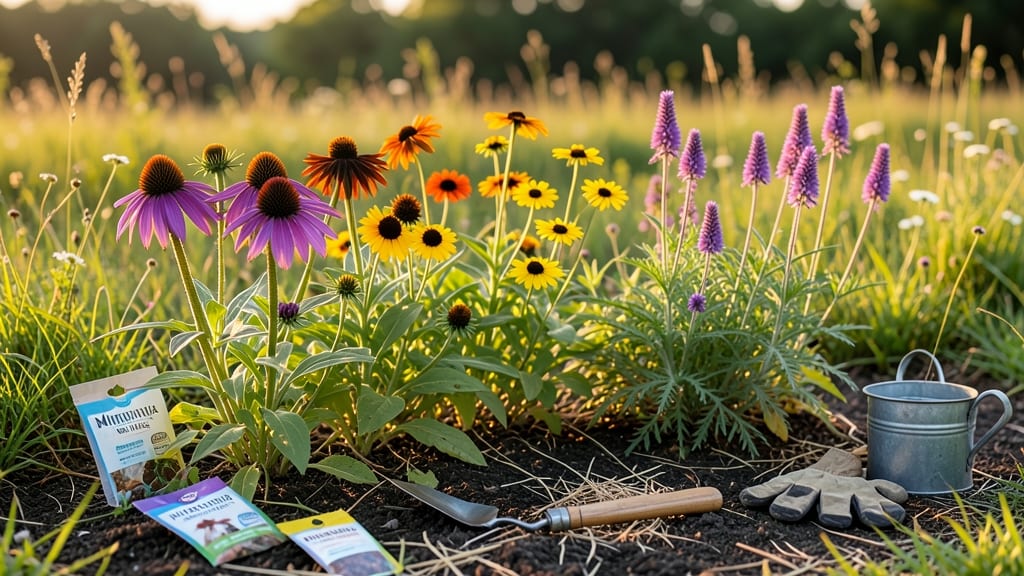
Planting wildflower seeds in Minnesota at the right time ensures vibrant blooms from spring to fall 🌼, whether you're restoring pollinator habitats or brightening your yard.
Here’s the catch: Minnesota’s climate zones—from the chilly north to the milder south—mean your neighbors might be sowing seeds months apart. Get this wrong, and you could end up with sparse patches or missed blooms entirely.
Below, I break down the best planting windows for each zone, including late-spring and fall strategies that work for both annuals and perennials. You’ll also learn how to pick seed mixes that thrive in Minnesota’s soil and weather quirks.
Ready to transform your landscape into a buzzing wildflower haven? Let’s dive into the timing and techniques that guarantee success.
Best planting months for wildflower seeds in Minnesota’s 5 climate zones
Minnesota’s climate zones range from Zone 3 in the far north to Zone 5a in the south, creating unique challenges for wildflower gardeners. The key to success lies in understanding frost dates, soil temperatures, and seasonal bloom cycles.
Planting at the wrong time can leave seeds vulnerable to late frosts or drought, while perfect timing ensures vibrant pollinator-friendly blooms from spring through fall.
For annual wildflowers, like black-eyed Susans and cosmos, timing matters most—these thrive when sown after the last frost but before summer heat sets in. Perennial varieties, such as coneflowers and bee balm, benefit from fall planting to establish deep roots before winter.
Let’s break down the ideal planting windows for each of Minnesota’s zones to help you choose the best approach for your garden.
🌱 Pro Tip: Always check your local USDA zone map and track average frost dates—they can vary by 1-2 weeks even within the same zone. Use resources like the MN State Climatology Office for real-time updates.
In Zone 3, where winters are harsh and summers short, focus on perennial wildflowers that establish quickly. Yarrow and aster are excellent choices—they tolerate cold soils and still produce late-season blooms.
Avoid planting annuals like cosmos in this zone, as they may not reach maturity before the first frost.
For Zone 4a-4b, like Duluth and Brainerd, timing is critical due to late spring frosts. Wait until the soil temperature consistently reaches 50°F before sowing seeds. Fall planting in late August works well for perennials, giving them time to develop roots before winter.
If you plant in spring, use row covers to protect young seedlings from unpredictable cold snaps.
Gardeners in Zone 4c, including Minneapolis and St. Cloud, enjoy the most flexibility. This zone supports both spring and fall planting, making it ideal for mixed wildflower meadows. Plant annual
How to choose wildflower seed mixes for Minnesota’s growing conditions
Selecting the right wildflower seed mix for Minnesota’s diverse climate zones and soil types is crucial for vibrant blooms. Native species thrive better, support local pollinators, and require less maintenance than non-native varieties.
Whether your soil is clay-heavy, sandy, or loamy, there’s a perfect mix for your landscape.
Minnesota’s USDA zones 3-5 demand seed mixes that tolerate cold winters and short growing seasons. Drought-tolerant varieties are ideal for the state’s variable rainfall, while shade-adapted mixes work well in wooded areas or under trees.
Always check the mix’s bloom season—some provide spring color, others summer or fall interest.
🌱 Native vs. Non-Native: Native wildflowers like black-eyed Susan and purple coneflower support local ecosystems, while non-native mixes (e.g., cosmos) offer vibrant colors but may not sustain pollinators as effectively.
🌿 Top Seed Mixes for Minnesota:
- 🌼 Native Prairie Mix
- 🌻 Drought-Tolerant Blend (e.g., butterfly milkweed, goldenrod)
- 🌿 Shade-Loving Mix (e.g., wild columbine, foamflower)
- 💧 Clay Soil Mix (e.g., wild bergamot, prairie phlox)
- ☀️ Full Sun Mix (e.g., coneflower, bee balm)
For sandy soils, opt for deep-rooted perennials like prairie clover, which stabilize soil and attract bees. In clay-heavy areas, wild bergamot thrives by breaking up compacted soil.
Always choose mixes labeled for your USDA zone—northern Minnesota (Zone 3) needs hardier species than the Twin Cities (Zone 5).
Bloom seasons vary: spring-bloomers like wild lilac brighten early gardens, while fall favorites like asters extend color into October. Mix annuals (fast blooms) with perennials (long-term beauty) for year-round interest. Always read the label—some mixes include weed seeds, which you’ll want to avoid.
Pro tip: Pre-treat seeds for better germination in Minnesota’s cool climate. Scarify hard-coated seeds (like blazing star) by nicking them with sandpaper or soaking in warm water.
For shade mixes, amend soil with compost to improve moisture retention. With the right mix, your Minnesota wildflower garden will thrive year after year!