
Plants
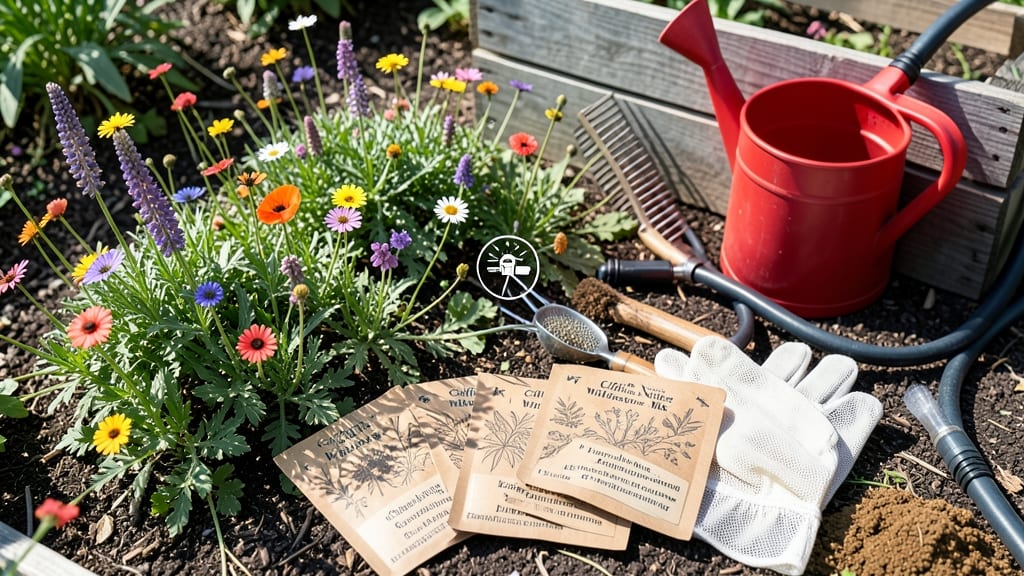
Planting wildflower seeds in Southern California at the right time means the difference between a vibrant spring meadow and a patch of brown dirt.
Transform your landscape into a riot of color with wildflowers—but timing is everything. Plant too early or too late, and your seeds may fail to thrive in the region’s unique microclimates and seasonal rains. The ideal window is fall or spring, when moisture and temperatures align perfectly for germination.
Southern California’s mild winters and dry summers create a tricky balance. Coastal areas like San Diego can plant as late as November, while inland valleys need to start by October to catch the first rains. Spring plantings work too, but they require consistent watering until roots establish.
Below, I break down the best months by microclimate, top native species for your zone, and how to prep soil for maximum success—so you can enjoy months of blooms without the guesswork.
Southern California wildflower planting calendar: month-by-month best times
Southern California’s diverse microclimates—from coastal fog belts to inland desert-adjacent valleys—create unique challenges and opportunities for wildflower planting. Timing your seeds with the region’s winter rains and summer droughts is the key to vibrant blooms.
Coastal areas (like San Diego) benefit from milder winters, while inland zones (like the Antelope Valley) need earlier fall plantings to avoid summer heat stress.
Most native wildflowers thrive when planted during two critical windows: fall (September–November) for winter germination and spring (February–April) for summer blooms. Desert-adjacent zones (USDA 10b+) can extend spring planting into May, but coastal regions should avoid planting after March to prevent fungal risks from spring rains.
How to time your planting with Southern California’s rainfall patterns
Southern California’s Mediterranean climate creates a unique challenge for wildflower gardeners—dry summers and winter rains dictate the perfect planting window. Unlike northern climates, you can’t rely on spring showers alone. Instead, the key is planting when natural moisture triggers germination, or supplementing irrigation strategically to mimic those conditions.
Native wildflowers like California poppies and lupines evolved to germinate after autumn rains or during winter’s cooler, wetter months. Planting at the wrong time—like mid-summer—means seeds will dry out before sprouting, wasting your effort.
Let’s break down how to align your planting with nature’s water cycle for the best results.
If you’re in a drought-prone inland valley, like the San Joaquin Valley, timing becomes even more critical. The first autumn rains are your golden opportunity—waiting too long risks seed dormancy or predation by birds.
I’ve seen California poppy seeds planted in early October produce blooms by March, while those planted in November often need supplemental watering to break dormancy.
For spring plantings, I recommend setting up a drip irrigation system on a timer to deliver ½ inch of water every 3–4 days until germination.
This mimics the consistent moisture wildflowers need to sprout. Once established, most native wildflowers thrive on rainfall alone, making them perfect for water-wise gardens.
Remember, soil temperature matters too. Wildflower seeds germinate best when soil is between 60–75°F. In coastal areas, this aligns with fall planting, while inland valleys may need to wait until early spring for ideal conditions.
Always check your local USDA Hardiness Zone (9b–11 in SoCal) for precise timing.