
Flowers
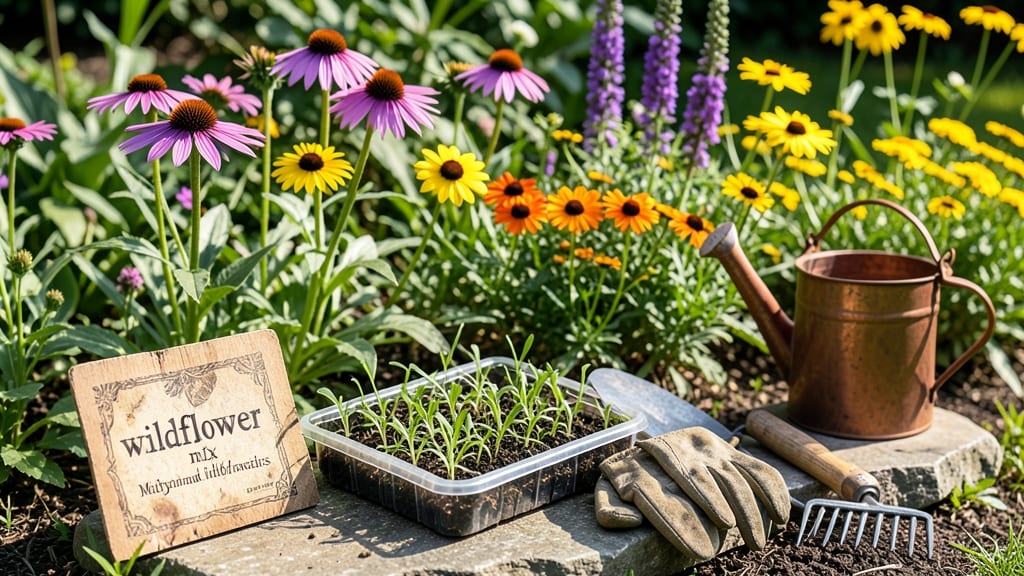
Planting wildflowers in Maryland at the right time ensures vibrant blooms all season—miss the window, and you risk stunted growth or frost damage in USDA Zone 7B.
Timing your wildflower planting in Maryland’s unique climate can mean the difference between a vibrant meadow and a season of disappointment—especially in USDA Zone 7B, where frost dates shift unpredictably.
Most gardeners in Maryland swear by early spring or late summer planting, but the best time depends on whether you’re sowing seeds or transplanting seedlings. Annuals like cosmos thrive when planted after the last frost, while perennials such as black-eyed Susans benefit from a fall start.
Below, I’ll break down the exact frost-free deadlines for Maryland, soil prep tips, and the top native wildflowers to plant for year-round color—so you can skip the guesswork and get straight to a flourishing garden.
Maryland’s frost-free deadlines for wildflower planting by month
Maryland’s USDA Zone 7B climate creates a delicate balance for wildflower enthusiasts. The state’s average last frost date of April 15 marks the critical window for spring planting, but early frosts can push this back to mid-May in some years.
Understanding these frost-free deadlines ensures your wildflowers thrive from seed to bloom.
For spring planting, aim to sow seeds 2-4 weeks before your last frost date. This gives seedlings time to establish roots before soil temperatures rise.
In Maryland, that typically means late March to early April for most regions, though western counties may have slightly earlier windows due to microclimates.
Fall planting offers a second chance for perennial wildflowers like cone flowers and black-eyed Susans. Seed these 6-8 weeks before your first frost, usually mid-September to early October. This timing allows roots to establish before winter dormancy, giving you earlier blooms next spring.
Here’s your Maryland wildflower planting timeline, broken down by month and microclimate:
Maryland’s eastern shore tends to have earlier last frosts (around April 5), while mountainous western regions may not reach frost-free until May 1.
Use your local cooperative extension service or weather station data to fine-tune your timing, especially for high-value native species like purple coneflower or butterfly weed.
For annual wildflowers, you can push the envelope slightly—sowing up to June 1 for late-season blooms.
However, these may require extra watering to establish before summer heat sets in. Perennials, on the other hand, need that early spring or fall window to develop strong root systems for multi-year blooms.
Pro tip: If you’re unsure about frost dates, use biodegradable seed starters or row covers to extend your spring planting window by 2-3 weeks. These low-cost solutions can protect tender seedlings from unexpected late frosts, which are more common in Maryland’s humid continental climate.
Remember that soil temperature matters just as much as air temperature. Use a soil thermometer to confirm conditions are right—most wildflower seeds need 50-60°F soil to germinate. In Maryland’s clay-heavy soils, amending with compost or sand can help regulate temperature and moisture.
By aligning your planting with Maryland’s frost-free deadlines, you’ll maximize bloom time and minimize the risk of seedling loss. Whether you’re creating a pollinator garden or restoring a native meadow, precise timing is your secret weapon for success.
🌼
Best wildflower species for Maryland’s seasonal planting schedule
Maryland’s diverse climate—from the humid coastal plains to the rolling Piedmont hills—creates perfect conditions for wildflowers, but timing is everything. Native species like black-eyed Susans and purple coneflowers thrive when planted at the right moment, while annuals like cosmos need early starts to outpace weeds.
Let’s break down the best species for your Maryland garden and their ideal planting windows to ensure a season-long bloom.
For spring planting, focus on cool-season wildflowers like lupines and phlox, which establish roots before summer heat arrives. In contrast, fall planting gives perennials like goldenrod and butterfly weed a head start on root growth before winter dormancy.
Maryland’s USDA Zone 7B frost dates—typically mid-April for last frost and mid-November for first frost—dictate these timelines, but microclimates can shift these windows by weeks.
🌱 Numbered Highlights: Maryland Wildflower Planting Guide
- 🌱 Early Spring (March-April): Plant annuals like cosmos and sunflowers after soil reaches 50°F. These fast growers bloom in 60-90 days and attract pollinators early.
- 🌿 Late Spring (May-June): Sow perennials like black-eyed Susans and coneflowers. They establish roots before summer drought and bloom year after year.
- 🌼 Early Fall (September-October): Best time for native wildflowers like milkweed and astern. Cooler temps reduce stress, and roots grow strong before frost.
- ❄️ Late Fall (November): Scatter winter-hardy seeds like lupines for spring emergence. Protect with light mulch to prevent erosion.
Pro tip: Native species like wild bergamot and partridge pea need minimal care once established—perfect for Maryland’s drought-prone summers.
Annual wildflowers like cosmos and zinnia are your best bet for instant color and are ideal for spring or early summer planting. These sun-lovers tolerate Maryland’s hot, humid summers and self-seed prolifically, ensuring year-round blooms with minimal effort.
For long-term meadows, prioritize perennials like purple coneflower, which thrive in poor, rocky soil common in Maryland’s Piedmont region.
Don’t overlook native wildflowers, which require zero fertilizer and support local ecosystems. Butterfly weed and milkweed are excellent choices for fall planting—their deep roots prevent erosion and provide nectar for monarchs.
Maryland’s coastal areas benefit from salt-tolerant varieties like beach heather, which handle brackish soil near Chesapeake Bay.
Adjust your planting schedule based on Maryland’s microclimates. Gardens in western Maryland (cooler, wetter) can plant 2-3 weeks later than eastern shores, where early springs arrive sooner. Always test soil moisture before planting—dry spells in May can delay germination, while excess rain in fall may rot seeds.
For maximum blooms, combine spring and fall plantings. Start with annuals in March for summer color, then add perennials in September to extend the season. Mulch with straw or leaves to retain moisture and suppress weeds, especially in Maryland’s clay-heavy soils.
With the right timing, your wildflower garden will thrive year after year—no high-maintenance fuss required. 🌻