
Flowers
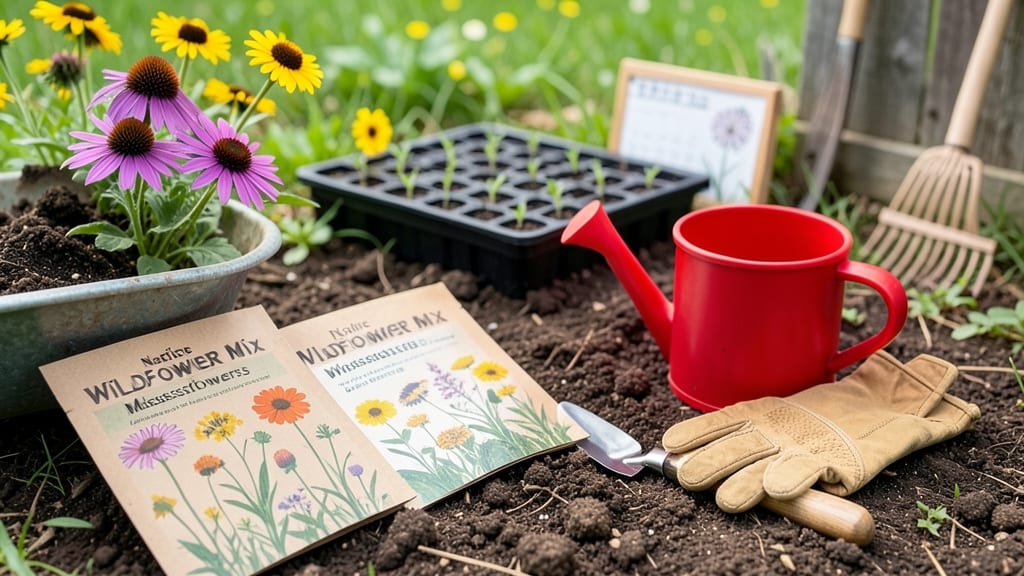
Planting wildflowers in Massachusetts at the right time is the secret to a garden that bursts into color year after year—without the fuss of constant upkeep.
Massachusetts gardeners know the struggle of timing plantings perfectly—especially when wildflowers demand just the right window to thrive and bloom year-round. Whether you're in Zone 5B or 6B, getting the timing right means the difference between a patch of dirt and a low-maintenance, vibrant landscape.
Spring and fall are your two best windows: after the last frost (around mid-April) or in early fall (August to September) for a head start on next year’s blooms.
Native species like black-eyed Susans and purple coneflowers love this timing, and they’ll reward you with months of color with minimal effort.
Below, I’ll break down the exact planting schedule for your zone, soil prep tips, and the top native wildflowers that thrive in Massachusetts’ climate—so you can skip the guesswork and enjoy a garden that feels like it’s always in season.
Best wildflower planting times in Massachusetts by season (Zone 5B guide)
Timing your wildflower plantings in Massachusetts' Zone 5B can make the difference between a sparse garden and a vibrant meadow. The key is understanding frost dates, soil temperatures, and how regional microclimates affect germination.
In my experience, late summer and early fall often yield the best results for perennial wildflowers, while spring is ideal for annuals.
Massachusetts' last average frost date typically falls around April 15, while the first frost arrives around October 15. These dates create a 165-day growing season—perfect for planning wildflower successions.
Coastal areas may enjoy 5-10 extra frost-free days compared to inland regions, so always check your specific local microclimate when scheduling plantings.
For spring planting, aim to sow seeds 2-4 weeks before your last frost date (early April). This gives seeds time to germinate before soil warms too much. Summer plantings should occur in late June to early July when soil temperatures stabilize above 60°F.
The best window for fall planting is August through mid-September, allowing seeds to establish roots before winter.
When planting in spring, focus on annual wildflowers like Black-Eyed Susans or Cosmos. These thrive when sown after the last frost and before summer heat sets in.
For perennials, I recommend fall planting—this gives roots time to establish before winter dormancy. Native species like Purple Coneflower and New England Aster are particularly well-suited to this approach.
One critical tip I've learned is to avoid planting wildflowers in late summer (after August 15). Seeds sown too close to frost may not have enough time to germinate and root properly.
Instead, prioritize early fall plantings for maximum establishment before winter. Always test your soil temperature—aim for 50-60°F for optimal germination.
For coastal Massachusetts gardeners, take advantage of the extended growing season. You can push fall plantings into early October if your microclimate is mild. Inland areas should stop by mid-September to avoid early frost damage.
Always monitor local weather forecasts—a sudden cold snap can derail even the best-laid plans.
If you're planting wildflower meadows, consider staggered plantings every 3-4 weeks from late spring to early fall. This creates continuous blooms throughout the season. For example, plant early bloomers like Bloodroot in spring, followed by summer favorites like Butterfly Weed, and finish with fall-blooming <
How to extend wildflower blooms year-round in Massachusetts gardens
Massachusetts' Zone 5B climate offers a unique opportunity to create a continuous wildflower display by leveraging staggered planting and succession blooming. The key lies in selecting native species that naturally bloom at different times—from early spring bloodroot to late fall goldenrod.
This approach ensures your garden never loses its charm, even during transitional seasons.
Start by understanding your last frost date (typically mid-April) and first frost date (usually mid-October). These dates serve as your planting anchors.
For example, early bloomers like hepatica should be planted in late summer (August) to establish roots before winter, while late-season stars like black-eyed Susan thrive when sown in early spring (March-April).
🌱 Numbered Highlights: Year-Round Wildflower Planting Strategy
- 1. Early Spring (March-April): Plant perennial wildflowers like coreopsis and coneflower for summer blooms. These species need 6-8 weeks to establish before peak heat arrives.
- 2. Late Summer (August): Sow cool-season wildflowers such as aster and goldenrod to bloom in fall and early winter. This timing avoids competition with summer perennials.
- 3. Fall (September-October): Direct-sow winter-hardy annuals like sweet alyssum and lobelia for spring blooms. Their seeds germinate slowly in cool soil, ensuring timely spring growth.
- 4. Succession Planting: Divide your garden into three zones. Plant early bloomers in Zone 1, mid-season in Zone 2, and late bloomers in Zone 3. Rotate planting every 4-6 weeks to maintain color.
- 5. Native Species Selection: Prioritize Massachusetts natives like butterfly weed and purple coneflower. These plants have evolved to thrive in local conditions, requiring less water and minimal care.
- 6. Deadheading Strategy: Remove spent blooms from perennial wildflowers to redirect energy to root growth. For annuals, leave some seed heads for natural reseeding and next year's blooms.
- 7. Soil Prep for Succession: Test soil pH (6.0-7.0 ideal) and amend with compost before each planting window. Well-draining soil prevents rot and encourages strong root systems.
Another secret to year-round blooms is layering plant heights. Combine low-growing wildflowers like creeping phlox (3-6 inches) with tall perennials like Joe Pye weed (4-7 feet). This creates a dynamic visual flow while ensuring every layer contributes to the seasonal palette.
For example, plant phlox in early spring for ground cover, then add black-eyed Susans behind it for mid-summer height.
Don’t overlook the power of wildflower meadows in extending your blooming season. Dedicate a portion of your garden to naturalized meadows where wildflowers self-seed and thrive without intervention. These areas often bloom earlier in spring and later in fall than cultivated beds, thanks to their diverse species mix.
Start small with a 5x5 foot plot and gradually expand based on what thrives.
Finally, embrace seasonal color transitions as part of your garden’s charm. In spring, focus on pastel hues like hepatica’s pink and bloodroot’s white.
Shift to bold yellows and oranges in summer with black-eyed Susans and goldenrod, then welcome deep purples and reds in fall with aster and sedum. This natural progression keeps your garden feeling fresh and intentional.
With these strategies, your Massachusetts garden can become a year-round wildflower sanctuary, attracting pollinators and delighting visitors in every season. The key is planning ahead—start small, observe what thrives, and gradually build a self-sustaining ecosystem that requires minimal effort but maximum reward. 🌼