
Trees
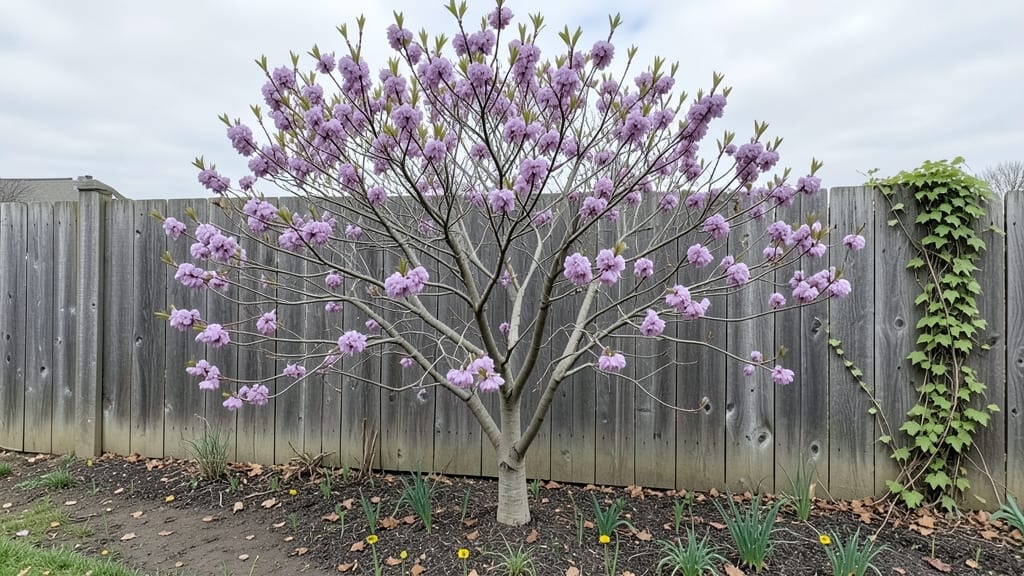
Identifying a flowering tree 🌸 just got easier—no green thumb or botany degree required.
Stumbling upon a stunning flowering tree in your yard—or while hiking—can spark curiosity, but narrowing down the species feels like solving a puzzle with missing pieces. With over 30,000 types worldwide, how do you tell a dogwood from a magnolia without guessing?
Here’s the secret: focus on just three clues—leaf shape, bark texture, and bloom color—and you’ll unlock the answers faster than you’d expect. Whether you’re prepping for spring planting in zone 6a or simply admiring your neighbor’s yard, this guide cuts through the confusion with a step-by-step approach.
By the end, you’ll confidently match your mystery tree to its care needs, from pruning tips to pest protection, so you can keep it thriving for years.
How to identify flowering trees by leaf shape, bark & bloom color
Identifying a flowering tree doesn’t require a botany degree—just a sharp eye and a few key observations. Start by examining the leaf shape, as this is often the most distinctive feature. For example, maple leaves have pointed lobes, while magnolia leaves are broad and leathery.
Even the way leaves are arranged (alternate vs. opposite) can narrow it down. Pair this with the bark texture—smooth like cherry blossom or deeply furrowed like a sycamore—and you’re already making progress.
Next, focus on the bloom color and timing. A pink bloom in spring likely points to a cherry tree, while white trumpet-shaped flowers scream magnolia. Don’t overlook the flower arrangement—clusters, single blooms, or dangling racemes can all be clues.
Combine these three visual cues, and you’ll quickly eliminate half the possibilities. For instance, a tree with serrated leaves, rough bark, and red flowers is probably a dogwood.
Here’s the game-changer: use a diagnostic flowchart to cross-reference your observations. Start with leaf shape, then narrow by bark, and finally confirm with bloom color. This method works for both North American natives like the redbud and European imports such as the horse chestnut.
For example, a heart-shaped leaf with pink spring blooms is almost certainly a eastern redbud.
🌿
| Leaf Shape | Bark Texture | Bloom Color & Season | Likely Tree |
|---|---|---|---|
| Lobed, 5-7 points | Rough, furrowed | Yellow/red, fall | Maple (Acer) |
| Oval, smooth edges | Smooth, gray | White/pink, spring | Cherry Blossom (Prunus) |
| Leathery, broad | Gray, scaly | White/purple, early spring | Magnolia (Magnolia) |
| Heart-shaped | Smooth, green | Pink, late winter | Eastern Redbud (Cercis) |
| Compound, 7-9 leaflets | Thorny branches | White, late spring | Horse Chestnut (Aesculus) |
| Oval, serrated | Exfoliating, papery | Pink/white, summer | Crape Myrtle (Lagerstroemia) |
Let’s break down the process step-by-step. First, compare leaf shapes—are they lobed, serrated, or smooth? A maple’s palmate lobes are unmistakable, while birch leaves are triangular with fine serrations.
Next, inspect the bark: Is it peeling like a sycamore or smooth like a beech? Finally, note the bloom color and timing. A spring bloomer with white flowers could be a dogwood, while a summer bloomer with purple flowers is likely a wisteria.
For tricky cases, consider the tree’s size and growth habit. A small tree under 20 feet with white flowers in spring is probably a flowering crabapple, while a tall, weeping tree with pink blooms is a weeping cherry.
Pro tip: Take a close-up photo of the leaf, bark, and bloom, then compare it to online databases like the USDA Plants Database or iNaturalist.
Don’t forget to check the leaf arrangement—alternate (like on oaks) or opposite (like on dogwoods). This can be a game-changer. For example, opposite leaves with white spring blooms almost always point to a dogwood.
Pair this with bark that’s gray and smooth when young but develops diamond-shaped patterns as it ages, and you’ve got a near-certain ID.
Seasonal timing is another critical clue. A tree blooming in late winter is likely a redbud or serviceberry, while a summer bloomer could be a crape myrtle or jacaranda.
If you’re unsure, observe the tree over a few weeks—note when buds form, when flowers open, and when leaves fully emerge. This phenological timing can eliminate many possibilities.
Once you’ve narrowed it down, verify with a field guide or app like LeafSnap or PictureThis. These tools use image recognition to match your photos against a database of trees.
For example, upload a photo of a tree with compound leaves and thorns, and the app will likely identify it as a honey locust or black locust. Always cross-check with your own observations—apps aren’t perfect, but they’re a great shortcut.
🌳
Top 10 common flowering trees and their unique identification markers
Identifying flowering trees often comes down to three key features: bloom color, leaf arrangement, and bark texture. For example, a pink bloom in spring might point to a cherry blossom, while leathery, evergreen leaves suggest a magnolia.
These visual clues help narrow down species quickly, even without a botanist’s guide. Let’s explore the top 10 flowering trees you’re most likely to encounter and how to tell them apart.
One of the easiest ways to identify flowering trees is by their seasonal bloom times. Some, like dogwood, bloom in early spring, while others, such as crape myrtle, shine in late summer.
Pairing bloom time with leaf shape—like the lobed leaves of a Japanese maple—makes identification even simpler. Below, we’ll break down these markers for 10 of the most common flowering trees in North America.