
Shrubs
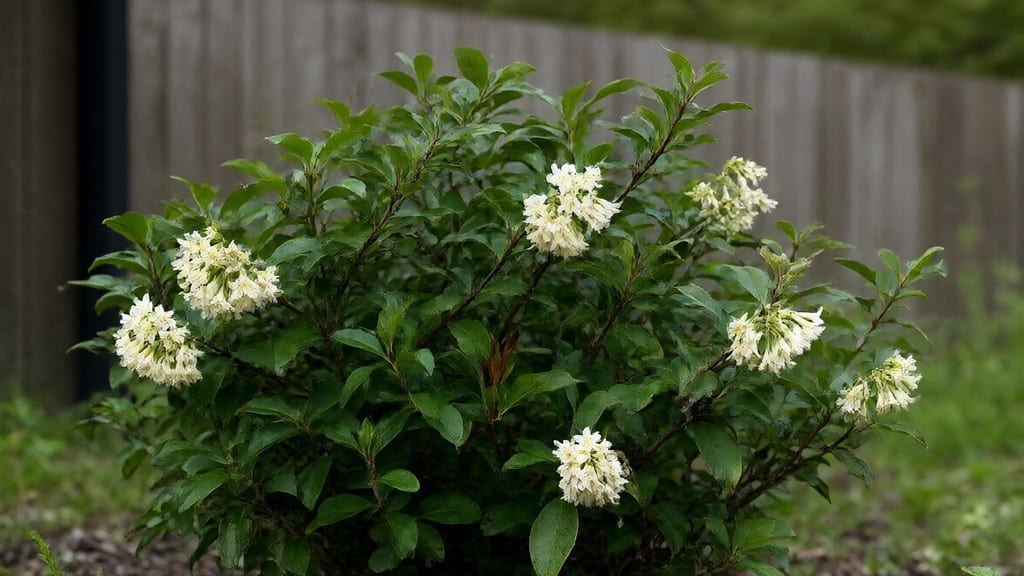
Tea olive flowering depends on one critical factor: how you prune it 🌿. That single habit can turn a sparse shrub into a fragrant, pollinator-loving spectacle by spring.
Your tea olive shrub could be blooming more spectacularly in spring—if you prune it the right way. Discover how strategic pruning transforms sparse branches into a lush, fragrant display of white flowers that attract pollinators and elevate your landscape.
Many gardeners overlook this shrub’s delicate balance between growth and bloom production. The key lies in timing—pruning too early or too late can stifle those iconic white blossoms before they even appear.
In this guide, I’ll walk you through the exact when, how, and why of pruning to maximize tea olive flowering, plus how to troubleshoot common issues that keep your shrub from reaching its full potential.
When and how to prune tea olive for maximum spring flowering
Your tea olive shrub (Osmanthus fragrans) produces those coveted fragrant white flowers in spring—but only if you prune it strategically. Unlike many shrubs, tea olive blooms on old wood, meaning last year's growth holds next year's flowers.
Cut too aggressively, and you risk sacrificing next season's abundant blooms. The key? Pruning at the right time of year and using precise techniques to encourage dense, flowering branches.
Timing matters most: prune at the wrong season, and you'll either stimulate leafy growth at the expense of flowers or shock the plant into dormancy.
I’ve pruned tea olives for over a decade, and I’ve learned that late winter to early spring (just before buds swell) is the sweet spot for dormant-season pruning. But there’s also a post-bloom approach for shaping and maintaining health.
Let’s break down the exact steps to maximize those scented spring blooms.
Step-by-Step Pruning Guide for Tea Olive Flowering
- 1 Choose the right tools: Use sharp bypass pruners for clean cuts and a loppers for thicker branches. Disinfect tools with rubbing alcohol to prevent disease spread.
- 2 Prune in late winter/early spring: Target dormant-season pruning (February-March in USDA Zone 6-9) before buds break. Remove dead or crossing branches first to improve airflow.
- 3 Thin out overcrowded areas: Selectively prune 1/3 of oldest branches to encourage new growth. Focus on branches growing inward or rubbing against others—these compete for energy.
- 4 Shape for sunlight penetration: Cut branches back to outward-facing buds to create an open canopy. Avoid top-heavy cuts, which can stress the plant.
- 5 Post-bloom light pruning: After flowers fade (late spring), remove spent blooms and weak growth to redirect energy. Avoid heavy pruning—this encourages leafy regrowth over flowers.
- 6 Mulch and fertilize: Apply 2-3 inches of mulch around the base to retain moisture. Use a balanced fertilizer (10-10-10) in early spring to support new growth and flowering.
One common mistake I see is pruning tea olives in summer or fall, which can stimulate soft, tender growth that won’t survive winter. This new growth also won’t flower until the following year, delaying those fragrant blooms.
Instead, focus on structural pruning in late winter and light maintenance post-bloom. For established shrubs, I limit dormant-season pruning to no more than 25% of the plant to avoid stress.
If your tea olive isn’t flowering as expected, check for over-fertilizing with nitrogen, which promotes leafy growth at the expense of blooms. Switch to a low-nitrogen, high-phosphorus fertilizer (like 5-10-10) to encourage flowering.
Also, ensure your shrub gets 6+ hours of sunlight daily—tea olives need full sun to set buds for next season’s blooms.
For young tea olives (under 3 years old), pruning is minimal. Focus on removing dead wood and shaping the plant’s natural form. Avoid heavy cuts, as these shrubs establish their flowering framework in their first few years.
Patience is key—once mature, a well-pruned tea olive can produce hundreds of fragrant blooms each spring.
Pro tip: Prune on a dry, overcast day to reduce stress on the plant. If you must prune in hot weather, do it in the early morning to prevent shock. After pruning, water deeply to help the plant recover.
With the right approach, your tea olive will reward you with a scented spring spectacle that draws bees and butterflies to your garden.
Remember, tea olives are slow growers, so pruning should be gradual. Over time, you’ll develop a rhythm: heavy pruning in late winter to shape and light pruning post-bloom to maintain health.
Stick to this schedule, and you’ll enjoy year-after-year blooms that make your garden the envy of the neighborhood.
Common pruning mistakes that kill tea olive flowering (and how to fix them)
Your tea olive (Osmanthus fragrans) might be struggling to produce those signature fragrant white blooms because of pruning errors. Many gardeners accidentally stunt flowering by cutting at the wrong time or removing too much growth. The good news? These mistakes are fixable with the right approach.
Tea olives flower on old wood, meaning last year's growth holds next spring's blooms. Aggressive pruning can remove these flower buds before they open, leaving you with sparse or no flowers. Let’s explore the most common pruning pitfalls and how to recover from them.
✂️ Pruning Mistakes vs. Correct Approaches
❌ Mistakes to Avoid
- Over-pruning in one session (30%+ of foliage removed)
- Pruning after flowering season (June–July)
- Cutting back to bare wood or main stems
- Using dull or dirty tools that tear branches
- Ignoring disease signs (e.g., black spots) during cuts
✅ Correct Pruning Practices
- Remove only 10–20% of growth per year
- Prune dormant season (late winter/early spring)
- Cut just above a leaf bud (never bare wood)
- Use sharp, sterilized shears for clean cuts
- Focus on shaping, not rejuvenation
One of the biggest mistakes is pruning tea olive in summer or fall. This removes the current year’s growth where next year’s flower buds are forming. Instead, wait until late winter (just before buds swell) to prune. This ensures you’re not sacrificing potential blooms.
If you’ve already over-pruned, don’t panic. Tea olives are resilient! Start by reducing stress—water deeply, apply a balanced fertilizer (10-10-10), and avoid pruning for at least 6 months. This gives the shrub time to recover and redirect energy to new growth and flowering.
Another critical error is cutting too close to the trunk or removing main branches. Tea olives flower on older wood, so aggressive cuts can leave your shrub with fewer bloom sites.
Always prune outer growth first, shaping the shrub from the outside in to preserve the flowering framework.
Finally, never skip sterilizing your tools between cuts. Bacteria from infected branches can spread, causing dieback or disease, which further weakens flowering. Wipe blades with rubbing alcohol or a 10% bleach solution before and after pruning to keep your tea olive healthy and blooming.