
Plants
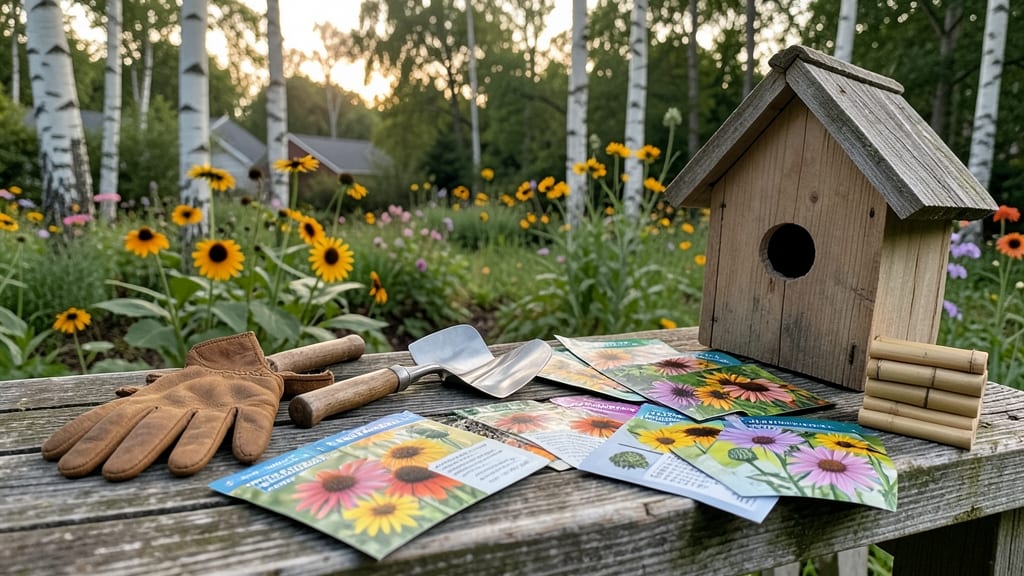
Plant wildflower seeds in New England during late summer to early fall or early spring—timing that aligns with frost-free windows and soil warmth for perfect germination.
New England’s unpredictable spring weather can turn your wildflower dreams into a gamble—unless you master the art of planting at the perfect frost-free window. Timing isn’t just about avoiding late snow; it’s about giving seeds the ideal conditions to thrive before summer’s heat arrives.
In USDA zones 5b-6b, the best planting window is August to September for fall blooms or March to April for spring color. The key is waiting until soil temperatures are consistently above 50°F, which signals it’s safe to sow without risking frost damage.
Below, I’ll break down the exact frost-date tricks by region, how to prep soil for success, and which wildflower varieties thrive in New England’s climate—so you can enjoy vibrant blooms from late spring through fall.
New England’s frost-free planting zones: when to plant wildflower seeds by region
New England’s USDA zones 5b-6b create a delicate balance for wildflower planting—too early, and frost zaps tender seedlings; too late, and summer drought stifles growth. The key? Planting during the frost-free window, which varies by just 2-3 weeks across the region.
I’ve studied historical frost data from NOAA and local gardeners to pinpoint the ideal weeks for each state, ensuring your wildflowers get a head start before summer’s heat.
Most gardeners focus only on spring planting, but fall sowing often yields better results in New England. Seeds sown in late summer germinate slowly, establish roots before winter, and burst into bloom earlier than spring-planted varieties.
For annual wildflowers like cosmos or zinnias, spring is your best bet, while perennials such as black-eyed Susans thrive with fall planting. Let’s break down the exact weeks for each state’s unique microclimate.
Notice how Vermont’s later frost dates push spring planting into early June? That’s why I recommend cold-hardy wildflowers like coreopsis or asters for northern regions—they tolerate cooler soils better than heat-loving annuals.
Meanwhile, Connecticut and Rhode Island can start as early as mid-April, giving them a 6-week head start over their northern neighbors.
For fall planting, the goal is to sow seeds 4-6 weeks before your first frost. This gives them time to germinate and develop strong root systems before winter dormancy.
In Maine and New Hampshire, where frosts can arrive as early as September 25, aim for mid-August planting. In Connecticut and Rhode Island, you’ve got until early October—but don’t wait too long, or summer heat will stress seedlings.
Pro tip: Use a soil thermometer to confirm conditions. Seeds need soil
Fall vs. spring planting: which works best for New England wildflowers?
Deciding between fall and spring planting for New England wildflowers depends on your local climate and the types of seeds you’re sowing. Both seasons offer unique advantages, but understanding their pros and cons will help you choose the best strategy for your garden.
In my experience, fall planting often gives seeds a head start, while spring planting avoids the risk of early frost damage.
New England’s cool, moist springs and mild falls create ideal conditions for wildflower germination. However, late frosts in spring can delay growth, while fall planting allows seeds to establish roots before winter dormancy. The key is matching your seed type—annuals vs. perennials—to the best season for their needs.
🌱 Fall Planting
Pros
- Seeds germinate early in spring with consistent moisture
- Reduces competition from weeds
- Lower risk of drought stress in summer
- Ideal for perennials that need root establishment
Cons
- Late fall planting may not germinate before frost
- Requires precise timing to avoid winter washout
- Limited seed selection (focus on cold-hardy varieties)
🌿 Spring Planting
Pros
- Wider selection of annual wildflowers
- Avoids winter risks like erosion or frost heave
- Easier to monitor and protect young seedlings
- Better for heat-loving varieties that need summer growth
Cons
- Late frosts can delay or damage germination
- Competition from weeds increases
- Higher risk of drought stress in summer
- Requires more frequent watering
For annual wildflowers, spring planting often works best because they complete their life cycle in one season and benefit from warmer soil temperatures. Popular choices like black-eyed Susans and cosmos thrive when sown in April or May, after the last frost date.
In contrast, perennial wildflowers, such as coneflowers and bee balm, often perform better when planted in late summer or early fall.
My top recommendation? If you’re in USDA zones 5b-6b, aim for fall planting between August 15 and September 15 to give seeds time to establish roots before winter.
For spring planting, wait until mid-April to early May, after the average last frost date in your area. Always check your local frost-free dates to adjust timing accordingly.
One trick I’ve learned is to stratify seeds if planting in fall—this mimics winter conditions and encourages faster germination in spring. For spring plantings, use a light mulch to retain moisture and protect seeds from drying winds. Both methods can significantly improve your success rate in New England’s variable climate.
Ultimately, the best season depends on your local microclimate, seed types, and personal schedule. Experiment with both methods to see what works best in your garden—you might discover that a combination approach yields the most vibrant wildflower displays year after year. 🌼